
Corvental D
Corvental D Capsules for Dogs are the treatment of bronchitis and congestive heart failure in dogs. The active ingredient works to quickly dilate coronary arteries and relieve broncho-spasms, which enables the heart to function with greater efficiency, and provide oxygen and nutrition to internal organs more easily.
Corvental Capsules are presented as hard, opaque capsules with either Th100, Th200, or Th500 printed onto them depending on the strength of the active ingredient.

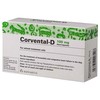
Corvental D 100mg Capsules for Dogs
£1.75Corvental D 100mg Capsules are indicated for the treatment of bronchitis and congestive heart failure in dogs. Corvental D enables the heart to function with greater efficiency, to provide...[More info]
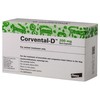
Corvental D 200mg Capsules for Dogs
£2.29Corvental D 200mg Capsules are indicated for the treatment of bronchitis and congestive heart failure in dogs. Corvental D enables the heart to function with greater efficiency, to provide...[More info]
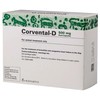
Corvental D 500mg Capsules for Dogs
£4.49Corvental D 500mg Capsules are indicated for the treatment of bronchitis and congestive heart failure in dogs. Corvental D enables the heart to function with greater efficiency, to provide...[More info]
Contraindications
Concurrent use of beta-sympathomimetics is contra-indicated, as additive or synergistic interactions, resulting in exaggerated side effects may result.
Do not use in dogs with a known history of epileptiform seizures as convulsions have been reported in patients on theophylline treatment, often with no preceding signs of toxicity and in otherwise apparently normal animals.
Special warnings for each target species
None known.
Special precautions for use in animals
Theophylline should be used with caution in patients with liver disease. If vomiting occurs, the dose should be reduced, or the treatment discontinued.
Special precautions to be taken by the person administering the veterinary medicinal product to animals
In the case of accidental ingestion, seek medical advice immediately and show the package leaflet or the label to the physician.
Adverse reactions (frequency and seriousness)
The following side effects have been reported: restlessness, agitation, excitement, vomiting, diarrhoea, polydipsia, sedation, reduced appetite, and polyuria.
If signs of CNS excitement occur, (twitching, restlessness, or convulsions) discontinue treatment immediately.
Use during pregnancy, lactation or lay
When theophylline is prescribed to pregnant bitches, the risk-benefit of the treatment should be assessed. Only small amounts of theophylline are excreted in milk.
Interaction with other medicinal products and other forms of interaction
Plasma theophylline levels may increase in patients under treatment with macrolide and fluoroquinolone antibiotics, such as erythromycin and enrofloxacin, and decrease in patients receiving phenobarbitone or phenytoin.
Theophylline may reduce the convulsive threshold in patients receiving ketamine.
Administration of theophylline shortly before halothane anaesthesia may result in arrhythmogenic effects.
Amounts to be administered and administration route
20 mg per kg bodyweight to be given orally once daily only.
Care should be taken to ensure that dogs are weighed carefully and accurately, and the dose does not exceed 20 mg/kg body weight.
Overdose (symptoms, emergency procedures, antidotes), if necessary
There is no specific treatment for theophylline overdose in the dog. The condition should be treated symptomatically with emetics, oral activated charcoal, or anti-convulsive drugs as necessary.
Withdrawal period(s)
Not applicable.
 A-Z
A-Z
 Special Offers
 VetUK Own Brand
 Pet Meds
 Dog
Dog
 Cat
Cat
 Horse Supplies
 Small Animals
 Aquarium & Pond Supplies
 Birds
Birds
 Veterinary Supplies

