
Dog Diarrhoea Cat Diarrhoea
Dog Diarrhoea and Cat Diarrhoea are relatively common and nasty! Below are a selection of veterinary products designed to stop it fast: each product relies on a binding agent however some now also contain probiotics and prebiotics such as ProKolin and Diarsanyl to help in the restoration of normal gut function more quickly. If your pet suffers from chronic diarrhoea, is passing blood in the stools or remains ill despite standard treatment - please see your vet.
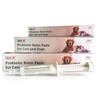
VetUK Probiotic Kolin Paste for Cats and Dogs
From:£7.00 to… £13.99VetUK Probiotic Kolin Paste for Cats and Dogs is a palatable paste for use in cases of digestive upset or diarrhoea. Supplied in a user-friendly calibrated syringe for easy oral...[More info]
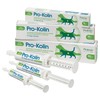
Protexin Pro-Kolin Probiotic and Prebiotic Paste
From:£9.18 to… £22.48Protexin ProKolin Probiotic and Prebiotic Paste is a palatable paste containing kaolin and pectin, supplied in an easy to use calibrated syringe. Protexin Pro Kolin contains probiotics...[More info]
Canikur Pro Paste for Dogs
From:£8.99 to… £21.49Canikur® Pro Paste contains three ingredients including both probiotics and prebiotics, that work together to support the natural intestinal balance in both dogs and cats....[More info]
Canikur Chewable Tablets for Dogs
From:£10.00 to… £62.99Canikur Chewable Tablets for Dogs are a palatable and effective dietary supplement containing a balance of carbohydrates and minerals that support normal digestive function in dogs,...[More info]
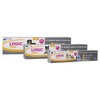
Logic Firm Digestive Support Paste for Cats and Dogs
From:£10.69 to… £14.80Logic Firm Digestive Support Paste for Cats and Dogs (formerly Logic Diar-Stop) is a pharmaceutical grade formulation that offers balanced and proven intestinal support for cats and dogs....[More info]
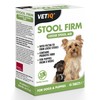
VetIQ Stool Firm 45 Tablets
£5.63VetIQ Stool Firm 45 Tablets have been specially formulated with a unique blend of Pectin and Pumpkin which help to increase stool firmness in both dogs and puppies over the age of 8 weeks....[More info]
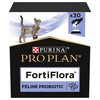
FortiFlora Feline Probiotic for Cats and Kittens
£22.49Purina Pro Plan Veterinary Diets FortiFlora Feline Probiotic Complement is a pet food probiotic supplement to help support intestinal health and balance. Purina FortiFlora is a unique...[More info]
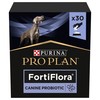
FortiFlora Canine Probiotic for Dogs and Puppies
£22.49Purina Pro Plan Veterinary Diets FortiFlora Canine Probiotic is a pet food probiotic supplement to help support intestinal health and balance. Purina FortiFlora is a unique supplement...[More info]
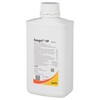
Kaogel VP Veterinary Kaolin Suspension 480ml
£19.33Kaogel VP Veterinary Kaolin Suspension Bottle is for the treatment of diarrhoea of non-specific origins in cats and dogs. Each 5ml Contains: 0.99g Kaolin Light BP Dosage: By Oral...[More info]
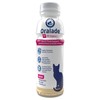
Oralade RF Support for Cats 330ml
£5.77Oralade RF Support is a highly palatable oral rehydration and nutritional support for cats with renal, gastroenteritis or urinary problems. A unique and ready-to-serve solution, Oralade RF...[More info]
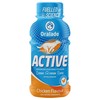
Oralade Active for Dogs (Chicken) 250ml
£1.96Oralade Active for Dogs (Chicken) is a convenient and easy-to-carry isotonic drink that will provide fast and effective hydration for dogs when they need it most. Made with 100% natural...[More info]
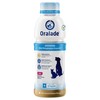
Oralade GI Support for Cats and Dogs 500ml
£7.06Oralade GI Support is a unique ready-to-serve isotonic formula that combines essential electrolytes, simple glucose and functional amino acids to promote GI health and recovery. Developed...[More info]
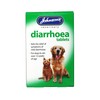
Johnson's Diarrhoea Tablets (12 Tablets)
£3.32Johnson’s Diarrhoea Tablets are effective in treating the symptoms of mild diarrhoea in cats and dogs aged 12 weeks and over. As with any medicated product, it is important to...[More info]
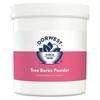
Dorwest Tree Barks Powder for Dogs and Cats
From:£14.21 to… £24.40Dorwest Tree Barks Powder for Dogs and Cats has a soothing effect on the digestive tract, slowing the passage of food and increasing absorption of nutrients. Intestinal disorders and...[More info]
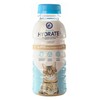
Oralade Hydrate+ for Cats 330ml
£3.24Oralade Hydrate+ for Cats is a specially formulated hypotonic drink designed to quickly replenish, fluids, minerals, glucose and the nutrients cats need for optimum hydration. Made with a...[More info]
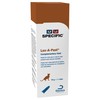
Lax-A-Past Paste for Cats 70g
£12.23Lax-A-Past for Cats is a delicious flavoured paste that will help to remove and reduce hairballs from inside your cat or kitten. Easily administered by letting your cat lick the paste from...[More info]
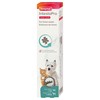
Beaphar IntestoPro Paste for Cats and Small Dogs
£8.22Beaphar IntestoPro Paste for Cats and Small Dogs under 15kg is a highly palatable paste to help firm up stools, promote normal bowel functions and effectively relieve digestive disturbances...[More info]
Diarrhoea in dogs is a symptom of an underlying problem and not a disease in itself, it should always be cause for concern. Diarrhoea dehydrates the body and can have a devastating effect. If it is accompanied by vomiting, lethargy or any other behavioural changes it should be treated as a medical emergency.
A bout of diarrhoea can be caused by a change in food type, an unfamiliar treat or feeding table scraps. As long as your dog is acting normally, diarrhoea caused by food changes can often be resolved by withholding food (not water) for 24 hours allowing the digestive system to settle down. After 24 hours, small amounts of bland food can slowly be re-introduced. To avoid diarrhoea, change your dog’s diet gradually over several days. Large amounts of meat or fatty foods from human plates can be far too rich for a dog’s digestion and cause diarrhoea and vomiting and can also cause pancreatitis.
Intestinal parasites are common causes of diarrhoea. Puppies are especially susceptible to roundworms. Roundworms can grow to up to 15cm long and appear spaghetti-like. Signs of a worm infestation are a pot-bellied appearance, poor growth, a rough, dull hair coat, diarrhoea and vomiting.
The single-celled internal parasite Giardia lives in the intestines of infected animals. Its most common symptom is diarrhoea of varying severity. Transmitted from pet to pet, through contaminated feed or water and through the soil, Giardia can show no symptoms for extended periods of time making routine testing important. Coccidia is another single-celled organism that infects the small intestine. Dogs with coccidia may show no signs of illness but some may have severe bouts of watery stools, bloody diarrhoea, vomiting, depression and fever.
Diarrhoea in puppies is of particular concern because it is often the first symptom of severe and potentially fatal viral diseases such as the parvovirus, coronavirus or distemper. Parvovirus is most commonly found in unvaccinated puppies. The symptoms are a high fever, lethargy, loss of appetite and liquid diarrhoea. Coronavirus is also a highly contagious virus. Adult dogs may simply show symptoms such as stomach flu and recover within a few days but puppies can develop far more serious infections and complications. The signs of coronavirus are extreme watery diarrhoea. The Canine Distemper Virus is highly contagious causing a high fever, coughing and sneezing followed by vomiting and dark, tar-coloured diarrhoea. Finally the virus causes seizures and can often be fatal. Vaccination is the best way to prevent viral diseases.
Other causes of acute diarrhoea in dogs can include bacterial infections, such as salmonella and E-coli, toxin exposure and even stress.
Treatment of acute diarrhoea in dogs is aimed at diagnosing and correcting the underlying problem. If your dog has had loose stools for less than 24 hours but is otherwise acting normally (normal energy level, eating and drinking normally), you may just be able to wait and see how he does. However, be in the look out if your dog is showing any additional signs of distress or has had increasing amounts of diarrhoea for any length of time.
Diarrhoea that persists for three or more weeks is considered chronic and can lead to poor digestion and absorption of nutrients. Dogs will often not eat properly, have low energy levels and poor quality coat. Food allergies and intolerances cause chronic inflammation in the intestinal tract and are a common cause of mild chronic diarrhoea. Pancreatitis causes diarrhoea, abdominal pain, vomiting and a poor appetite. Because these symptoms are shared with so many other gastrointestinal problems, pancreatitis can be hard to diagnose. Inflammatory bowel disease (IBD) can also be a cause of chronic diarrhoea in dogs. Dogs with a long history of diarrhoea or weight loss who are free of parasites and diarrhoea causing agents should be considered for IBD.
Diarrhoea is almost always a sign of an underlying medical condition that needs to be addressed and the presence of diarrhoea in any puppy should be treated as a medical emergency until proven otherwise.
Disclaimer: The above article is not intended as a substitute for the advice of a veterinarian nor is the source to be used as a diagnostic tool as there may be various conditions that may resemble the descriptions provided.
 A-Z
A-Z
 Special Offers
 VetUK Own Brand
 Pet Meds
 Dog
Dog
 Cat
Cat
 Horse Supplies
 Small Animals
 Aquarium & Pond Supplies
 Birds
Birds
 Veterinary Supplies

